

Golf Fitness & TPI Screening in Grand JunctionGOLF STRENGTH PROGRAM.
IDENTIFY PHYSICAL RESTRICTIONS LIMITING YOUR POTENTIAL.
An eighteen-session program for golfers ages 10 through adult. Train two to three times a week in 55-minute sessions, with a customized plan built around your movement screen and the physical demands of your game.

TPI GOLF FITNESS.
Michael David Cook brings Titleist CGFI golf fitness expertise to your physical preparation. Movement screening helps connect your training to the demands of your game.

A SWING CHANGE CANNOT CREATE
RANGE YOU DO NOT HAVE.
A comprehensive Functional Movement Screen helps identify physical restrictions and training priorities that may limit your golf performance. Understand where you need support and which exercises can help address it. This is preparation for golf, not swing instruction.
BUILD THE BODY BEHIND THE SWING.
Have the screen done separately, or combine it with the eighteen-session strength program. Your plan follows your starting point and goals, not a universal list of golf exercises.
Know the golfer.
Discuss your playing goals, training background, current capacity and any relevant limitations.
Assess the body behind the swing.
A comprehensive Functional Movement Screen examines movement restrictions. You receive a Written Evaluation connecting physical findings to the demands of your swing, identifying weaknesses to address, and establishing a Fitness Handicap.
Your customized strength program.
Your screen results guide an individualized strength program. Train two to three times a week, for 55 minutes per session, across eighteen sessions focused on the physical qualities your game requires.
Revisit the baseline.
Check the training measures that matter and decide what the next block should address.
A SCREEN, A PROGRAM, OR BOTH?
TNL’s golf fitness service in Grand Junction connects physical screening to golf-specific strength work. Choose the next step around the question you want answered, rather than buying a list of golf exercises.
Understand your physical starting point.
A standalone screen is an option when you want to understand movement restrictions and training priorities. The Written Evaluation and Fitness Handicap give the conversation a baseline. This is a physical assessment, not a golf lesson or a diagnosis of pain.
Turn screening priorities into training.
The eighteen-session Golf Strength Program provides individualized 55-minute sessions, with training two to three times a week. The screen helps guide strength, stability, core, power and conditioning work. Discuss current scheduling and pricing with Michael before committing.
Keep physical preparation and instruction connected.
Bring your playing goals and relevant guidance from your golf professional or healthcare team. Training can support the physical demands of your game while swing instruction and medical treatment remain with the appropriate professionals. No score or distance gain is guaranteed.
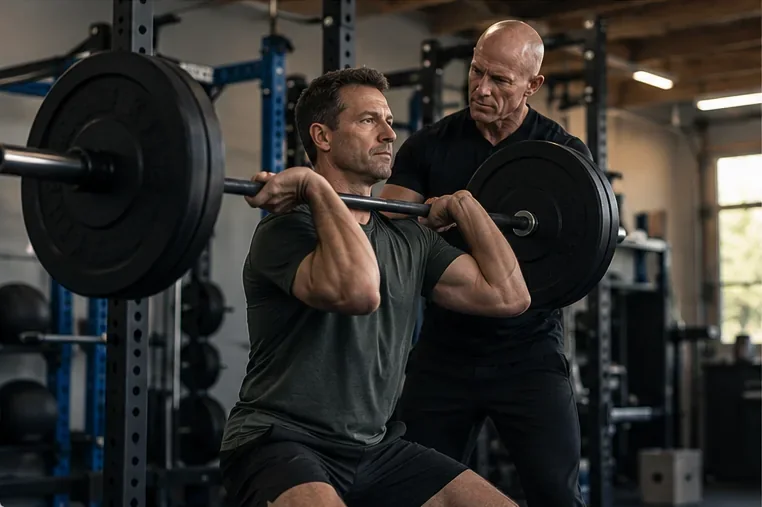
GOLF IS THE CONTEXT. COACHING IS THE WORK.
Michael brings Titleist CGFI golf fitness expertise to the person behind the club. The same TNL approach applies: understand the starting point, build a relevant plan and adjust as you respond.
We’ll work with your PGA teaching professional, chiropractor, and physical therapist to coordinate your physical preparation. Golf fitness complements swing instruction and appropriate medical care; it does not replace them.
Request a consultationWHAT COUNTS AS PROGRESS?
The relevant proof is personal: a repeatable measure of movement or performance capacity connected to your goal. We do not promise a lower handicap, increased clubhead speed or pain relief.
TPI golf fitness focuses on physical preparation. It does not guarantee a particular score, swing speed or health outcome.
TWO MAJOR TRAINING UNITS.
Each session is divided into two major training units. The Golf Fitness Program is built for golfers who train two to three times a week, 55 minutes per session.
Active-Dynamic Warm-up
Gets the body ready for movement.
Strength, Stability, Core and Prehab
Makes up the remainder of the session. Combinations of the ten components below are intended to build athleticism and a better balanced, more powerful golfer.
The ten training components
- 01
Strength
The Strength component is quadriceps and hamstring dominant, and includes upper body pressing and pulling.
Rotational strength and stability exercise is also included here. It is crucial for training high-speed movement in the transverse plane.
- 02
Medicine Ball Power
Medicine ball work is a tool for power development. It includes linear and rotational power and rotational stability, which are critical in golf.
These exercises closely mimic actual golf movement patterns.
- 03
Transverse Abdominis Activation
Transverse abdominis recruitment is critical in every sport, so the golf program uses a more extensive progression than other programs.
The emphasis is on proper spine and body stabilization.
- 04
Linear Core
Linear core work builds core and abdominal strength, and is enhanced by the medicine ball power section.
- 05
Core Stability
Core stability work builds core and abdominal strength, and is enhanced by the medicine ball power section.
- 06
Rotational Core
Rotational core work builds core and abdominal strength, and is enhanced by the medicine ball power section.
- 07
Upper Body Prehabilitation
Upper body prehab exercises increase stability and aid joint orientation consistency. The aim is to reduce the likelihood of injury; no training can guarantee injury prevention.
- 08
Lower Body Prehabilitation
Lower body prehab exercises increase stability and aid joint orientation consistency. The aim is to reduce the likelihood of injury; no training can guarantee injury prevention.
- 09
Forearm Strength
Forearm strength and stability aim to aid club control. The goal is greater control, which may support accuracy on drives, approach shots and chips. Accuracy is a training aim, not a guaranteed result.
- 10
Energy System Development (ESD)
ESD is the final component and builds endurance for players. The aim of increasing general endurance is to support consistent power development from the first tee to the 18th fairway.
WOULD YOU RATHER FEEL LIKE YOU PLAYED 18 HOLES AFTER 36, OR 36 HOLES AFTER 18?
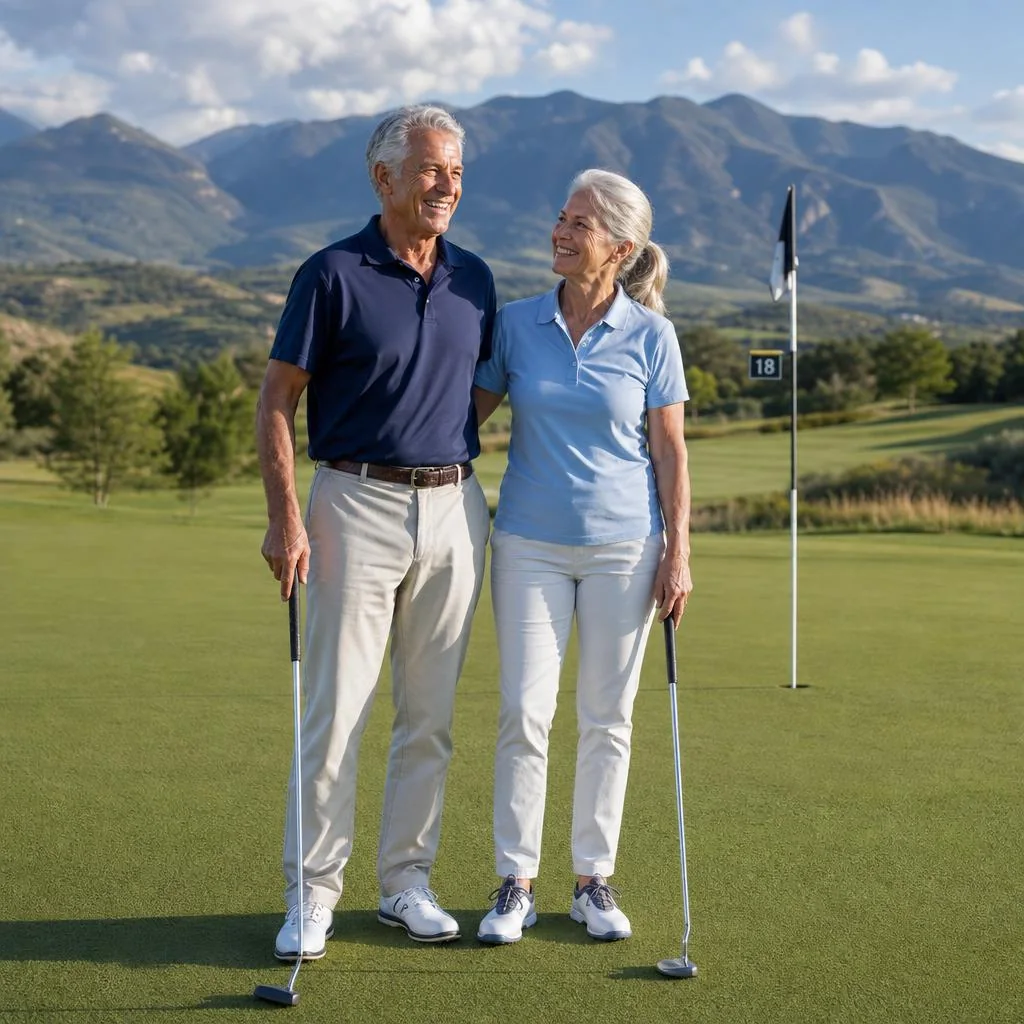
Energy System Development is built to raise general endurance so power can stay consistent late in a long round or a long day on the course.
An aim of the program, not a guaranteed outcome.
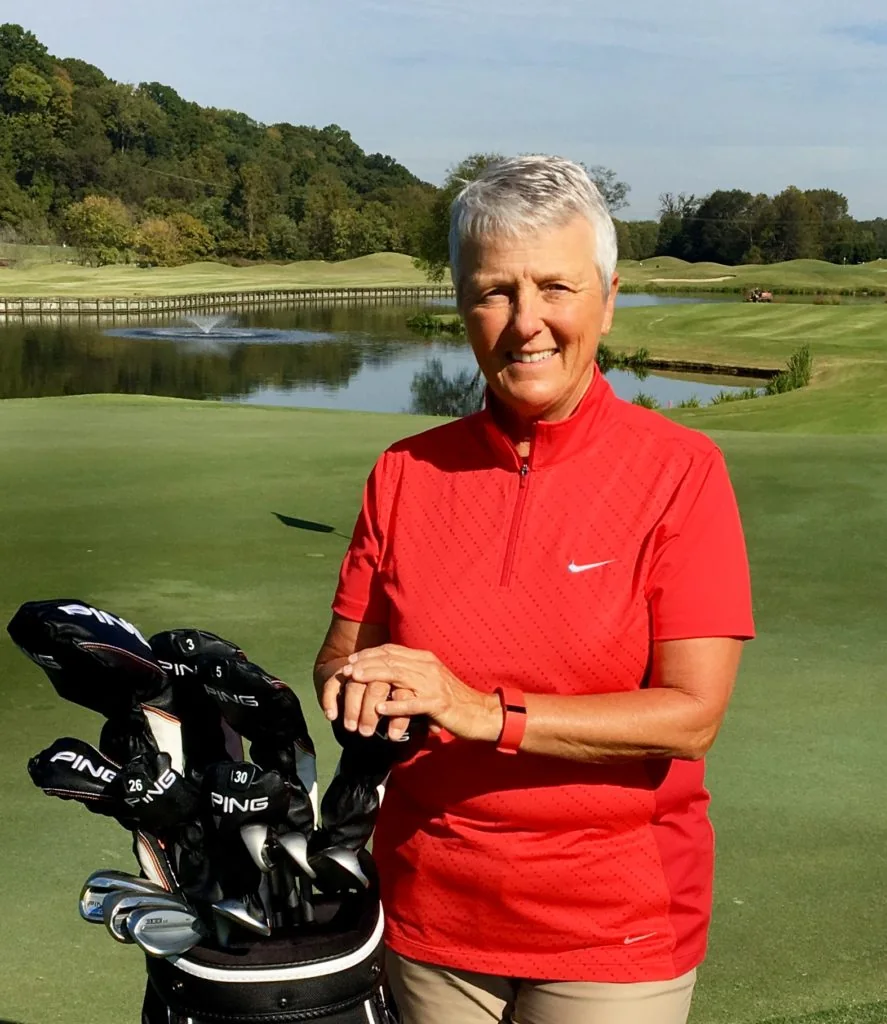
"If you are a golfer and you want to maximize your game, you must work on your golf game and your body. You want someone knowledgeable in how the body moves for golf. Michael David knows the body and knows golf. He will take you to your “Next Level” in golf if you follow his work out regimen. Michael personalizes your program to best suit your needs. He has given me a road map to follow so my game and my life will be at my best. If you want to strengthen your game, you want Michael David Cook to be your personal golf trainer. I have recommended my golf students to see Michael, because I want them to see the best."
Explore related coaching: sports performance coaching · movement assessment · client experiences.
QUESTIONS BEFORE YOU START.
What does the Golf Strength Program include?
Eighteen 55-minute sessions, designed for training two to three times a week. A Functional Movement Screen, Written Evaluation, and Fitness Handicap inform your customized strength program. Sessions combine an active-dynamic warm-up with strength, stability, core, prehabilitation, power and conditioning work.
Can I book the screen separately?
Yes. Have the screen done separately, or combine it with the strength training program. Discuss your starting point and the right option with Michael.
Who is the program for?
Golfers ages 10 through adult. The training is individualized to your starting point, needs and playing goals.
Is this a golf lesson?
No. The focus is physical preparation for the demands of golf, not changing swing mechanics.
Do I need to be a competitive golfer?
No. The conversation starts with your game, your goals and your current physical starting point.
Can this diagnose why my back hurts?
No. Training assessment does not diagnose pain. Talk with an appropriate healthcare professional about medical concerns.
How do I choose between screening and the strength program?
A standalone screen helps establish physical restrictions and training priorities. The eighteen-session program connects those findings to individualized coached strength work. Discuss your goals, current training and available time with Michael before choosing.
What should I ask before booking?
Ask about current pricing, scheduling, the standalone screening option and how the eighteen-session program would fit your playing and practice schedule. Share relevant guidance from your golf professional or healthcare team.
START WITH THE BODY YOU HAVE.
Tell Michael what you want from your game. Book a consultation to discuss a standalone screen or the eighteen-session Golf Strength Program.